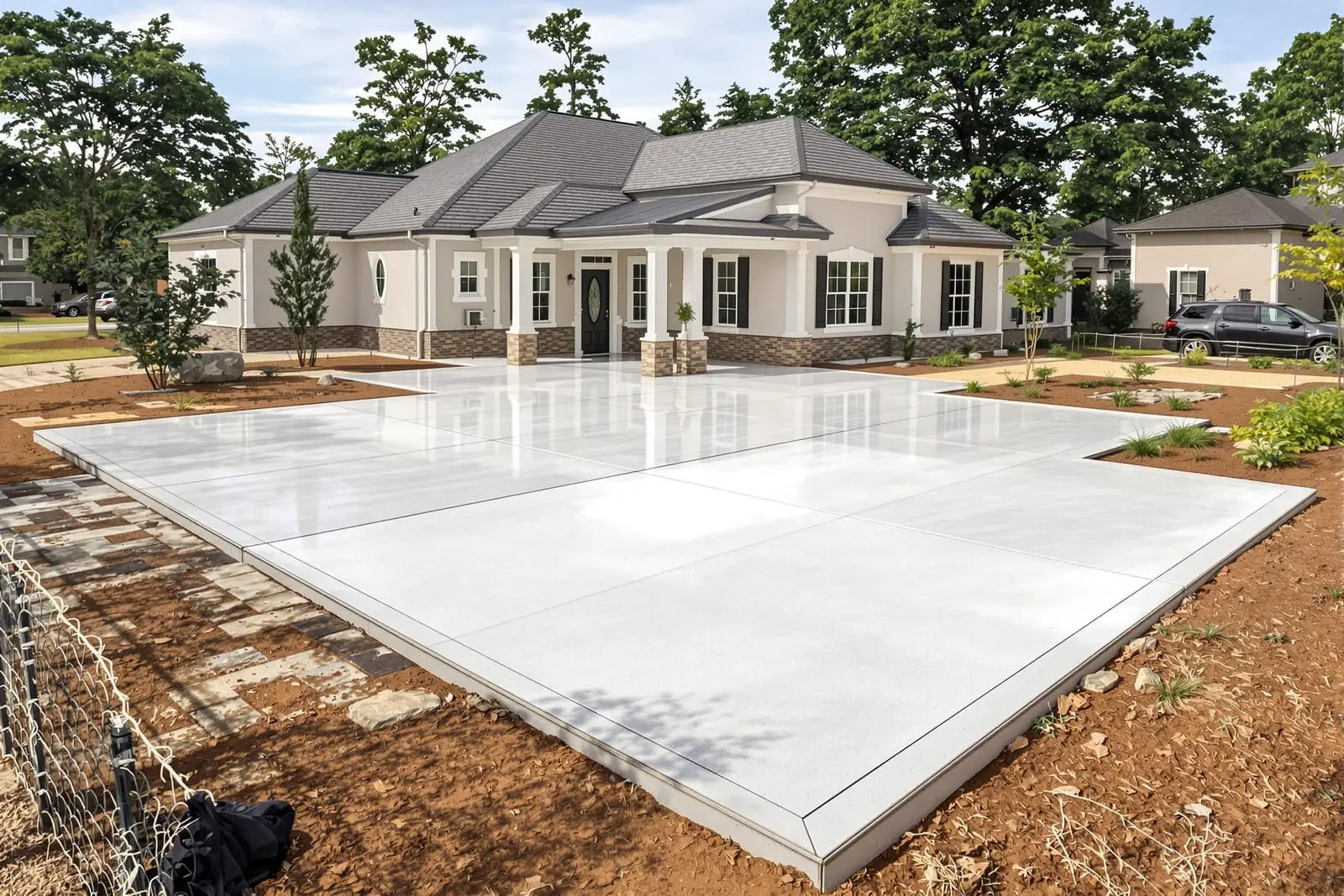
We perform sitework and structural concrete in Gainesville, FL for commercial and light industrial projects. Our capabilities include footings, grade beams, structural slabs, and walls that meet engineered specs. We coordinate with other trades to keep projects moving efficiently. Rely on an experienced crew for accurate layout, reinforcement, and concrete placement on your structural work.
Vanguard Concrete Gainesville provides professional structural concrete throughout Gainesville, FL and the surrounding area. Our licensed, insured crew delivers safe, clean, on-time work with a free estimate before anything begins. Call (352) 618-2599 or request your free quote.
Sitework & Structural Concrete for Gainesville Projects
Vanguard Concrete Gainesville handles sitework and structural concrete as a single, coordinated process, so your project in Gainesville starts on a stable, code-compliant foundation. Whether you are building a house, an addition, a shop, a small commercial building, or upgrading an existing structure, the way the ground is prepared and the concrete is placed will decide how well it holds up in Alachua County soil and weather.
Sitework covers what happens before the first yard of concrete is poured. That includes clearing, rough grading, fine grading, trenching for footings and utilities, and setting up drainage paths so water does not sit under or against your slab. Structural concrete is what carries loads: footings, grade beams, slabs, stem walls, tie beams, and structural pads for columns or heavy equipment.
Our approach is straightforward. We look at your drawings, walk the site, compare the plans to the real conditions, and flag anything that might cause cracking, settlement, or drainage issues later. Many problems can be avoided at this stage with a few small adjustments to grading, footing depth, or reinforcement layout, and those are the details we focus on for Gainesville properties.
How Sitework Is Actually Done on Gainesville Lots
On a typical residential or light commercial project in Gainesville, we start by stripping organics. That means removing grass, roots, topsoil, and any soft or decomposing material where concrete will sit. Concrete should not be poured directly on loose topsoil or muck, which is common in low areas around Gainesville.
Next is rough grading with a skid steer or excavator to get close to the design elevations. We shape slopes so surface water drains away from the building area. In Gainesville, we target at least 5 percent slope away from the slab for the first several feet where site layout allows, because of frequent heavy rain.
We then excavate footings to the depth and width called for in your plans and local code. For many structures in Gainesville, footings go at or below 12 inches, but low spots or soft pockets may require deeper cuts to get to firm bearing. We check subgrade with a probe or by test rolling with equipment. If it pumps or deflects, we over-excavate and bring in compactable fill.
Fill placement and compaction is critical on our sandy, sometimes loose soils. We typically use DOT approved limerock or well graded sand, placed in lifts and compacted with a plate tamper or roller. We target 95 percent of modified Proctor density when specified. This controls settlement that would otherwise cause cracking in the structural slab or beam.
Structural Concrete: Footings, Slabs, Beams, and Reinforcement
Once the site is properly prepared, Vanguard Concrete Gainesville builds the structural concrete elements that support your structure. Footings are formed or cut to shape, then we set reinforcing steel. Rebar size, spacing, and placement come from your engineer or standard detail, and we use chairs and ties so the steel stays in place and has the right concrete cover during the pour.
For slabs on grade, such as house slabs, garages, shops, and small commercial floors, we install vapor barriers where required, edge forms, and any thickened slab areas under load bearing walls or columns. Control joint layout is planned before the pour so cracks follow the saw cuts instead of random paths.
We typically pour 3000 to 4000 psi concrete for structural work, adjusted for engineer specifications. In Gainesville heat, we avoid extremely hot mid afternoon placements when possible, use appropriate water reducers instead of excess water addition, and manage slump so the mix is workable but not diluted. Vibrators are used around rebar mats, thick beams, and column pads to eliminate voids.
For elevated or structural elements like tie beams, stem walls, or column piers, we build tight forms, double check anchor bolt placement, and brace forms to handle the hydrostatic pressure of fresh concrete. Anchor bolts, hold downs, and embedded plates are set from a layout line, not just eyeballed, so framers and steel erectors do not lose time correcting misalignments later.
Local Gainesville Conditions That Affect Structural Concrete
Working in Gainesville means planning for sudden thunderstorms, high humidity, and occasional cold snaps. Timing and mix design are chosen with these local realities in mind.
In summer, morning pours are usually best. Surface moisture evaporates fast in the afternoon sun, which can create plastic shrinkage cracks if not managed. We keep an eye on wind and temperature, and use proper curing methods such as light surface moisture, curing compound, or coverings to keep the slab from drying too quickly.
In winter, when temperatures occasionally dip near freezing, we avoid late day pours that might be exposed to cold overnight while still green. We may adjust mix or schedule so the concrete has time to gain initial strength while temperatures are favorable.
Gainesville also has areas with poor drainage or high water tables. On those sites, we pay close attention to under-slab drainage layers, potential use of French drains or swales, and ensuring that any subgrade saturation is addressed before placing concrete. Ignoring this often leads to differential settlement and cracking a few seasons later.
What Drives Cost and How We Keep It Predictable
Sitework and structural concrete costs in Gainesville are driven by a few main factors: soil conditions, access for equipment and concrete trucks, thickness and reinforcement requirements, forming complexity, and weather-related scheduling.
Poor or wet soils require more excavation, more imported fill, and more compaction time. If trucks cannot reach the pour area, we may need a pump, buggy, or additional labor for moving concrete, which affects the budget. Structural details such as thicker slabs, closer rebar spacing, or additional beams will increase material and labor but are often necessary for long-term performance, especially for heavy loads or poor soils.
Vanguard Concrete Gainesville controls cost by accurately assessing conditions up front. We walk the site, review the plans, and provide a clear scope that calls out what is included and what might change if hidden conditions are found. During excavation, if we uncover unsuitable soils, buried debris, or unexpected water, we explain options on the spot, from undercut and fill to drain improvements, and give you realistic impacts so you stay in control of decisions and budget.
We also look for simple design or layout efficiencies that do not compromise strength, such as adjusting formwork to reduce waste, optimizing truck loads, or scheduling pours to reduce cold joints and mobilizations.
What Gainesville Property Owners Should Know Before Hiring
Before you hire anyone for sitework and structural concrete in Gainesville, ask how they verify subgrade bearing, what compaction targets they use, and how they decide when a site is ready for concrete. If the answer is vague or they rely only on visual checks, be cautious.
Check that your contractor understands local code requirements and typical engineer details for Alachua County, such as minimum footing sizes, rebar cover, termite treatment coordination, and anchor bolt spacing. The concrete work must line up with inspections, so scheduling and communication matter. We coordinate with inspectors and other trades to avoid failed inspections that delay your project.
You should also know who will actually be on your job. Vanguard Concrete Gainesville uses experienced crews who handle both the dirt work and structural pours, which keeps accountability clear. We document rebar placement with photos when requested, keep truck tickets, and note slump and placement times so there is a record of how your foundation was built.
The best time to plan larger structural concrete work in Gainesville is before the peak summer storm season, but with proper planning and weather monitoring, quality work can be done year-round. What matters most is not rushing the prep, protecting the subgrade from rain between excavation and pour, and following correct curing practices after the pour.
If you want your structure to perform for decades, focus your questions on the details of sitework, reinforcement, and curing, not just the per-square-foot price. That is where the real difference in long-term performance comes from.
“
Professional sitework & structural concrete, done right the first time, quality materials, honest pricing, and results that last.
Vanguard Concrete Gainesville
Sitework & Structural Concrete Across Our Service Area